```markdown
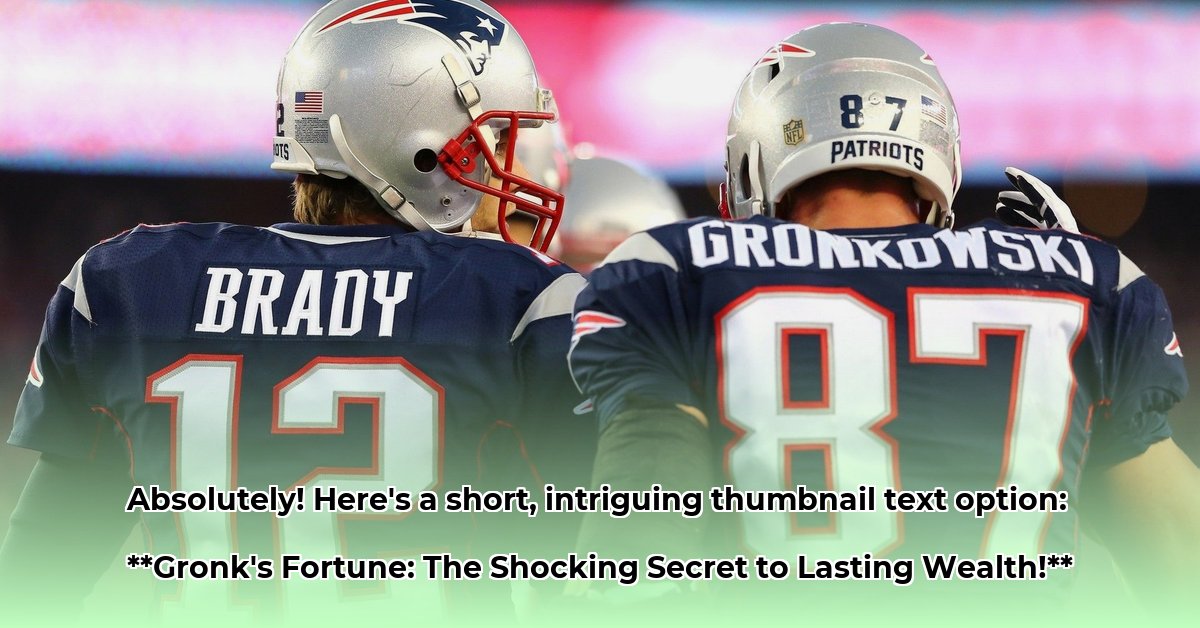
Gronk's Net Worth: The Playbook for NFL Stars' Financial Legacy in 2025
Okay, let’s talk money – Gronk-style! We're diving deep into the world of Rob Gronkowski, the guy who dominated the football field and, surprisingly, the world of finance too. Forget those stories about athletes blowing their millions; Gronk played a different game. In this guide, we’re not just handing you a number – his estimated $45 million net worth – we're cracking open his financial playbook. Whether you dream of NFL stardom, hustle as an agent, or manage money at a bank, you’re about to learn how to score big like Gronk. We're breaking down his secrets – from smart salary moves to killer endorsements and savvy investments. Plus, we're pointing out the pitfalls he dodged so you can avoid them too. Get ready to level up your financial game!
Check out this article about athlete net worth. We're about to level up your financial game!
Gronk's Financial Success: Analyzing Rob Gronkowski's Net Worth and Investment Strategies
Rob Gronkowski, or "Gronk" as most folks know him, isn't just a legend on the football field; he's quietly become a financial all-star too. Beyond the touchdowns and the unforgettable celebrations, Gronk has built a financial foundation that offers some cool insights for athletes and even the institutions that work with them. So, how did he do it? Let’s break down the details of Gronk's financial game plan, touching on key elements such as financial planning, responsible spending, and long-term investment strategies.
The Building Blocks: NFL Earnings and Endorsement Deals that Boosted Gronk's Net Worth
Gronkowski's career in the NFL, playing for the New England Patriots and later the Tampa Bay Buccaneers, set the stage for his financial success. He brought in an estimated $70 million from his contracts. Here's the kicker: word has it that Gronk didn't actually spend his football earnings. That’s pretty rare in a world where many pro athletes are known for living large. So, did this disciplined approach contribute to his financial security and wealth accumulation? It certainly seems likely that it played a huge role.
But it wasn't just his NFL salary that padded his wallet. Gronk actively pursued endorsement deals, turning himself into a brand that companies wanted to partner with. Though the exact dollar amount from these deals isn't public knowledge, they definitely helped boost his overall personal branding and financial picture. Even his collaboration on "It's Good to Be Gronk" helped to cement his image, which translated into more opportunities.
Digging Deeper: Gronk's Financial Portfolio, Investment Income, and Charitable Work
While it's clear that Gronk has done well for himself, there are still some pieces of the puzzle missing. We don't have exact figures for how much revenue his endorsements bring in, and the performance of any real estate investments he might have is also unknown. Ongoing investigations are needed to reveal how much he earns from his endorsement portfolio and the performance of his real estate ventures. Understanding these components will provide a clearer picture of his complete financial profile.
What truly sets Gronk apart is his dedication to smart money management and his charitable work. His commitment to the Gronk Nation Youth Foundation showcases a desire to give back, a quality that doesn't always get attention when we talk about athlete finances. Is it possible that these actions contribute positively to his overall image and future financial opportunities?
Gronk's Winning Strategies: Financial Planning Tips for NFL Players, Sports Agents, and Financial Institutions
So, how can current and future athletes, as well as the agents and financial folks who support them, learn from Gronk's success? Here’s a playbook of actionable steps, focusing on wealth management, financial education, and building a lasting financial legacy:
| Stakeholders | Short-Term (0-1 Year) | Long-Term (3-5 Years) |
|---|---|---|
| NFL Players | Find experienced financial advisors early on to create personalized budgets and investment strategies. Look for endorsement opportunities outside of sports, just like Gronk did. | Focus on keeping your wealth safe through varied investments, such as real estate and less risky assets. Build a public image that aligns with charitable work to increase marketability and leave a positive mark on the world. |
| Sports Agents | Stress the importance of financial knowledge and responsible spending to your clients. Negotiate endorsements that match the athlete’s values and long-term financial goals. | Proactively manage athlete reputations to maximize their potential for endorsements. Push for financial education programs within sports leagues. |
| Financial Institutions | Provide specialized financial products for athletes, keeping in mind their short careers and fluctuating incomes. Create resources that make financial concepts easy to understand. | Team up with sports leagues to provide comprehensive financial wellness programs. |
Pros and Cons
| Aspect | Pros | Cons |
|---|---|---|
| NFL Players Financial Planning | The Player will increase their financial knowledge and make sound decisions to secure their future. | The Player might find it difficult to trust a financial advisor if they are new to the world of finance. |
| Sports Agent Maximizing Athlete Earnings | This will allow opportunities and resources to manage an athlete's image | The agent may have trouble securing a deal if the company and athlete values don't align with the company's goals |
| Financial Institutions Financial Wellness Program | Financial institutions will be given an opportunity to provide their services to those seeking guidance | The Financial institution may not receive enough funding to reach the intended target audience. |
Actionable steps for NFL Players:
Step 1: Choose an experienced financial advisor that you can trust. Step 2: Design a budget friendly plan. Step 3: Look for endorsement opportunities.
Actionable steps for Sports Agents:
Step 1: Work with the athletes to make sure money is being spent in a responsible way. Step 2: Negotiate endorsements that the athlete and company values align. Step 3: Work with Financial planning experts.
Actionable steps for Financial Institutions:
Step 1: Provide financial products tailor made for athletes. Step 2: Develop different ways for athletes to learn about finances. Step 3: Implement comprehensive financial wellness programs.
By taking these steps, you're not just scoring touchdowns; you're creating a financial legacy that will last long after the final whistle blows.
How Did Gronkowski Invest?: Lessons from Gronk on Investment Success
Key Takeaways:
- Gronkowski's $69,000 Apple investment in 2014, based on his contractor's advice, shows the potential for substantial returns with long-term holdings.
- His story highlights the effectiveness of a "set it and forget it" investment strategy, especially with fundamentally strong companies, and the concept of passive income.
- Diversification, including ventures like a media company and investments in Greenlane salad restaurants, played a crucial role in his portfolio strategy, maximizing investment returns and minimizing risks.
- Gronkowski's journey demonstrates how simple guidance can lead to significant gains for novice investors.
The Accidental Apple Investor: An Insight into Gronk's Investment Portfolio
So, how did Gronkowski invest? Picture this: It's 2014, and Rob Gronkowski, fresh off the field, gets a tip from his contractor. It wasn't about building a bigger trophy case; it was about Apple stock. Gronk, known more for touchdowns than ticker symbols, plunks down $69,000. Fast forward two and a half years, and that investment balloons to $250,000! He even forgot about it. Talk about a pleasant surprise! This is not just a story of good fortune but also a testament to the potential of long-term investing.
This isn't just a lucky break; it's a lesson. Gronk stumbled upon a successful investment strategy: buy and hold.
Gronk's "Set It and Forget It" Strategy: A Key Component of Long-Term Wealth Building
Gronkowski's Apple windfall underscores the power of patience. He wasn't day trading or glued to market updates. He invested in a solid company and let it grow. It’s like planting a tree; you don't dig it up every week to see if it's growing. Did this hands-off approach, focusing on sustainable growth, contribute to his success?
For novice investors, this is huge. You don't need to be a Wall Street whiz to see returns. Find a strong company, invest what you can afford, and resist the urge to panic sell